Glycolic Acid, Lactic Acid and Salicylic Acid Peels
There’s a reason (or actually several reasons) that chemical peels have long been a popular offering in medical aesthetic clinics, dermatologists’ offices and medi spas — they can be used to improve sun damage, fine lines, texture, tone, hyperpigmentation and brightness, and they also help reduce acne.
At the Midtown Health and Wellness Clinic — Aesthetics, we offer glycolic acid, lactic acid and salicylic acid peels ranging from gentle to deeper exfoliating and hydrating varieties depending on the skin concern and the extent of treatment required.
Glycolic acid peels are alpha-hydroxy acids (AHAs) derived from sugar cane, and used primarily for skin-aging and sun-damage concerns. As we age, the cell turnover rate of our skin slows down — resulting in duller, pigmented skin. Glycolic acid peels work by exfoliating the outer layers of the skin to promote the shedding of dead skin cells to reveal a fresher, smoother complexion, and also stimulate collagen production.
As the name suggests, lactic acid peels are derived from milk. These gentle alpha-hydroxy acids are ideal for those with sensitive skin and/or rosacea. While mild, these peels can be effective in treating hyperpigmentation, improving skin tone, moisturizing dry skin and reducing the appearance of pores. If you’ve tried another AHA peel or product in the past and found that it irritated your skin, a lactic acid peel may be an appropriate option.
Salicylic acid peels are beta-hydroxy acids (BHAs), usually derived from tree bark, which are primarily known for helping reduce acne breakouts and scarring, skin inflammation and pore size. These peels are powerful exfoliants, helping to slough off the outermost layer of the skin as well as penetrate pores to dissolve sebum and remove bacteria that can lead to acne. In addition, salicylic acid peels can help reduce the visible signs of aging and also brighten skin.
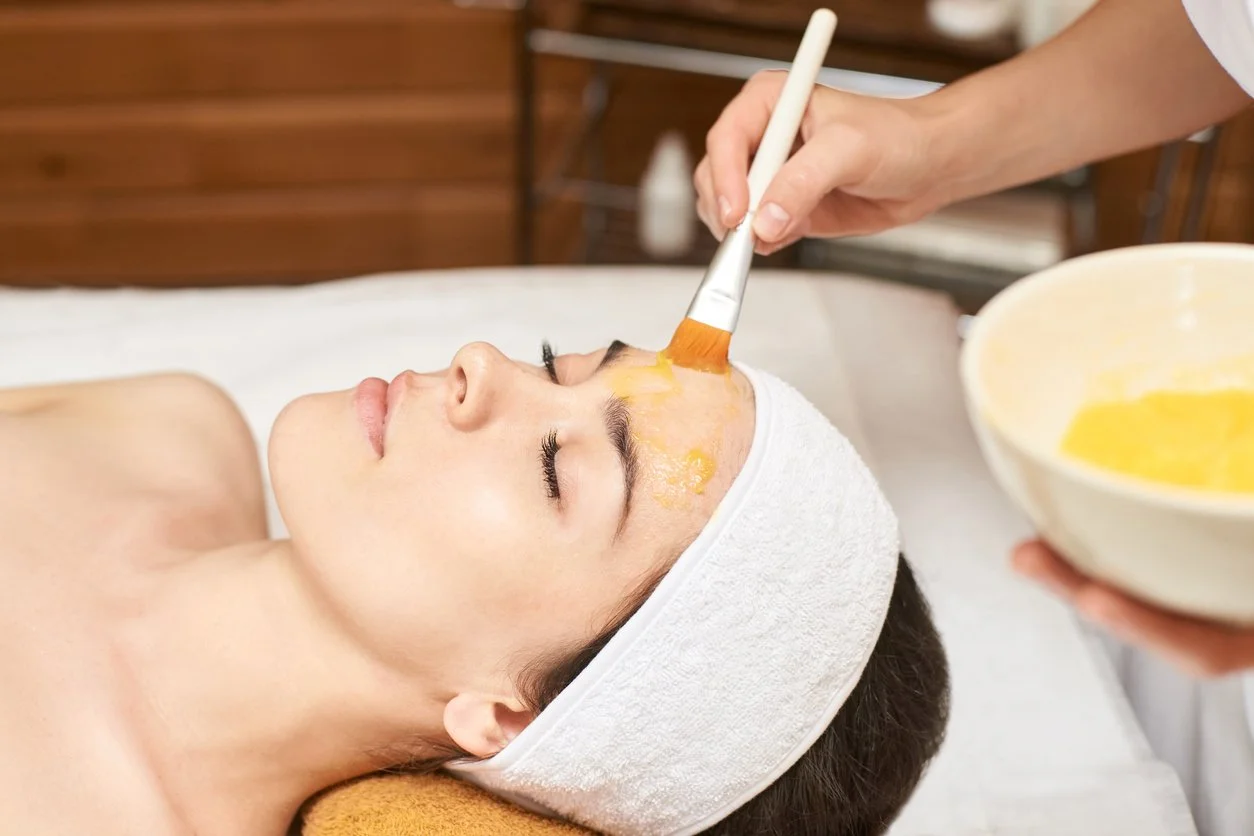
The treatment begins with the aesthetician cleansing your skin and then the specific acid peel solution is applied and left on for a few minutes. The skin will then be cleansed again — depending on the type of peel, the aesthetician may need to first remove the peel with a neutralizing agent. Aftercare products are then applied and guidelines will be given for post-treatment care.
During a consultation prior to treatment, Dr. Hermant will determine if you’re a good candidate for a chemical peel as well as which type is appropriate for your skin. She will also recommend the number of treatment sessions for optimal results.
FAQ
-
While it depends on the patient’s skin type and at-home skin-care regimen, the results of a chemical peel usually last between one to six months. As multiple treatments increase efficacy, the clinic recommends a series of six peels spaced a month apart to achieve optimal results.
Protecting the skin from the sun with the daily use of a high-protection broad-spectrum sunscreen and using appropriate skin-care products are essential to help maintain results. See “Post-treatment precautions” below for some recommended products.
-
About 30 minutes.
-
There is a chemical peel for every skin type. This will be discussed in your consultation.
-
You may feel a strong heating, tingling or itching sensation, but you should not feel pain. Communicate any discomfort to the aesthetician, who will monitor you closely during the treatment.
-
For a week prior, avoid lasers and hair-removal products and services in the treated area, and wear a high-protection broad-spectrum sunscreen daily.
-
To avoid scarring or infection, avoid picking or scrubbing the treated area. For several days after the peel, avoid hair-removal products and treatments — as well as exfoliants, retinols and other active topicals in the treated area. Wear a high-protection broad-spectrum sunscreen daily and keep skin well moisturized.
Once your skin has recovered, Biophora™ Bioactive Cleanser and Biophora™ Bioactive Solution — both of which contain glycolic acid — can help maintain the results of your peel and are also appropriate for acne care. Ask the clinic when you can start using either of these products post treatment. The clinic also carries Biophora Enzyme Exfoliator and Biophora Multivitamin Freeze Mask, which also may help optimize your results. Ask the clinic for more information.
-
Depending on the strength of the peel and the sensitivity of their skin, some patients may experience mild redness, swelling and peeling for several days. Most people are able to resume their normal activities with no to minimal downtime.
-
After your skin recovers, it should look smoother and glowing — but a series is usually required for significant results.
-
For optimal results, a series of six treatments is recommended followed by a maintenance regimen. This will be discussed during your consultation and treatment.